
Food safety in Bali
How to avoid Bali belly: food and water safety tips
By The Solimans team · Yousri Soliman’s kitchen in Bali · Updated
The best ways to avoid Bali belly are simple: drink bottled or properly filtered water, wash or sanitise your hands before eating, choose food that is freshly cooked and served hot, and be careful with raw salads, unpeeled fruit and ice from places you don't know. None of these guarantee you won't get ill, but together they lower the odds a lot.
This page is general information, not medical advice. If you feel very unwell, see a doctor.
What is Bali belly?
"Bali belly" is the everyday name for traveller's diarrhoea picked up in Bali. It usually comes from food or water containing bacteria, viruses or parasites that your gut isn't used to. Typical symptoms are diarrhoea, stomach cramps, nausea and sometimes vomiting or a mild fever. Most cases are mild and settle within a few days, but it can still wreck a holiday or a training week.
Is the water safe to drink in Bali?
It is generally advised not to drink tap water in Bali. Instead:
| Situation | Safer choice |
|---|---|
| Drinking water | Sealed bottled water, or water from a reliable filter or refill gallon |
| Brushing teeth | Bottled or filtered water if your stomach is sensitive |
| Ice in drinks | Fine in many established cafés; skip it if unsure |
| Fresh juices and smoothies | Choose busy, clean places; ask if they use filtered water and ice |
| Showering | Keep your mouth closed and avoid swallowing water |
Many villas and guesthouses provide large refill gallons of drinking water. Check the seal is intact when a new one arrives.
Which foods are most likely to cause problems?
These are general risk factors, not rules about any particular place:
- Food that has sat out for hours, especially at room temperature in the heat. Buffets and pre-cooked dishes can be riskier late in the day.
- Raw salads and herbs washed in tap water.
- Fruit you don't peel yourself. Bananas, mangoes and oranges you peel are lower risk than pre-cut fruit.
- Undercooked meat, seafood and eggs.
- Unpasteurised dairy.
- Sauces and condiments that sit uncovered on tables for long periods.
Freshly cooked, piping-hot food is generally the safer bet, including at warungs. A busy warung with a high turnover is often a better choice than a quiet one, because food is cooked and eaten quickly.
Is street food safe in Bali?
Plenty of visitors eat at warungs and street stalls every day without any trouble, and it is one of the best parts of being here. The general rule is the same as anywhere: choose stalls where food is cooked in front of you and served hot, where the place is busy and turning food over quickly, and where things look clean. Be more cautious with food that has been sitting in a display cabinet for hours, and with raw garnishes or sambal that has been out all day. If your stomach is sensitive, ease in over the first few days rather than diving into everything at once.
What everyday habits help most?
- Wash or sanitise your hands before eating and after the bathroom, beach or scooter.
- Carry a small hand sanitiser. Not every warung has a sink.
- Drink bottled or filtered water and keep a refillable bottle with you.
- Choose hot, freshly cooked dishes over food that has been sitting out.
- Peel your own fruit where you can.
- Refrigerate leftovers quickly and eat them within a day. In Bali's heat, cooked food left out spoils fast.
- Go easy on the first few days. Some people prefer to eat simply while their stomach adjusts.
- Stay hydrated, especially if you're also training or drinking alcohol.
What should you do if you get Bali belly?
For mild symptoms, most people focus on:
- Fluids. Sip water steadily; oral rehydration salts, widely sold at pharmacies (apotek), help replace lost salts.
- Simple food once you feel ready, such as plain rice, bananas, toast or soup.
- Rest. Skip training until you are eating and drinking normally again.
Speak to a pharmacist or doctor before taking any medication.
When should you see a doctor?
See a doctor promptly if you have:
- Blood or mucus in your stool
- A high fever
- Severe or worsening stomach pain
- Signs of dehydration: dizziness, very dark or very little urine, a racing heart or confusion
- Symptoms lasting more than a couple of days, or vomiting that stops you keeping fluids down
Seek help sooner for children, older adults, anyone pregnant and anyone with a chronic health condition. Bali has clinics and hospitals in the main tourist areas, and many offer English-speaking doctors.
Can a meal plan help reduce the guesswork?
A meal plan can't guarantee you won't get sick, and no honest one would claim to. What it can do is reduce the number of unknowns. Instead of trying a different kitchen for every meal, you eat from one professional kitchen, with every meal's ingredients listed on the menu.
The Solimans prepares every meal in its own professional kitchen and delivers meal prep across Canggu, Pererenan and Munggu, Monday to Saturday: breakfast around 9–10 AM, and lunch and dinner around 11 AM–12 PM. The same food-safety basics still apply at your end: put any meal you aren't eating straight away in the fridge, and eat it the same day.
If you have a sensitive stomach, simple cooked meals are a sensible choice. A few from the menu:
| Meal | kcal | Protein | Price |
|---|---|---|---|
| Rice Chicken Mashawi | 647 | 52g | Rp 100K |
| Shirataki Chicken Stir Fry | 518 | 57g | Rp 100K |
| Baked Sweet Potato Barramundi | 471 | 38g | Rp 100K |
| Tempeh Stir Fry (vegan) | 709 | 41g | Rp 90K |
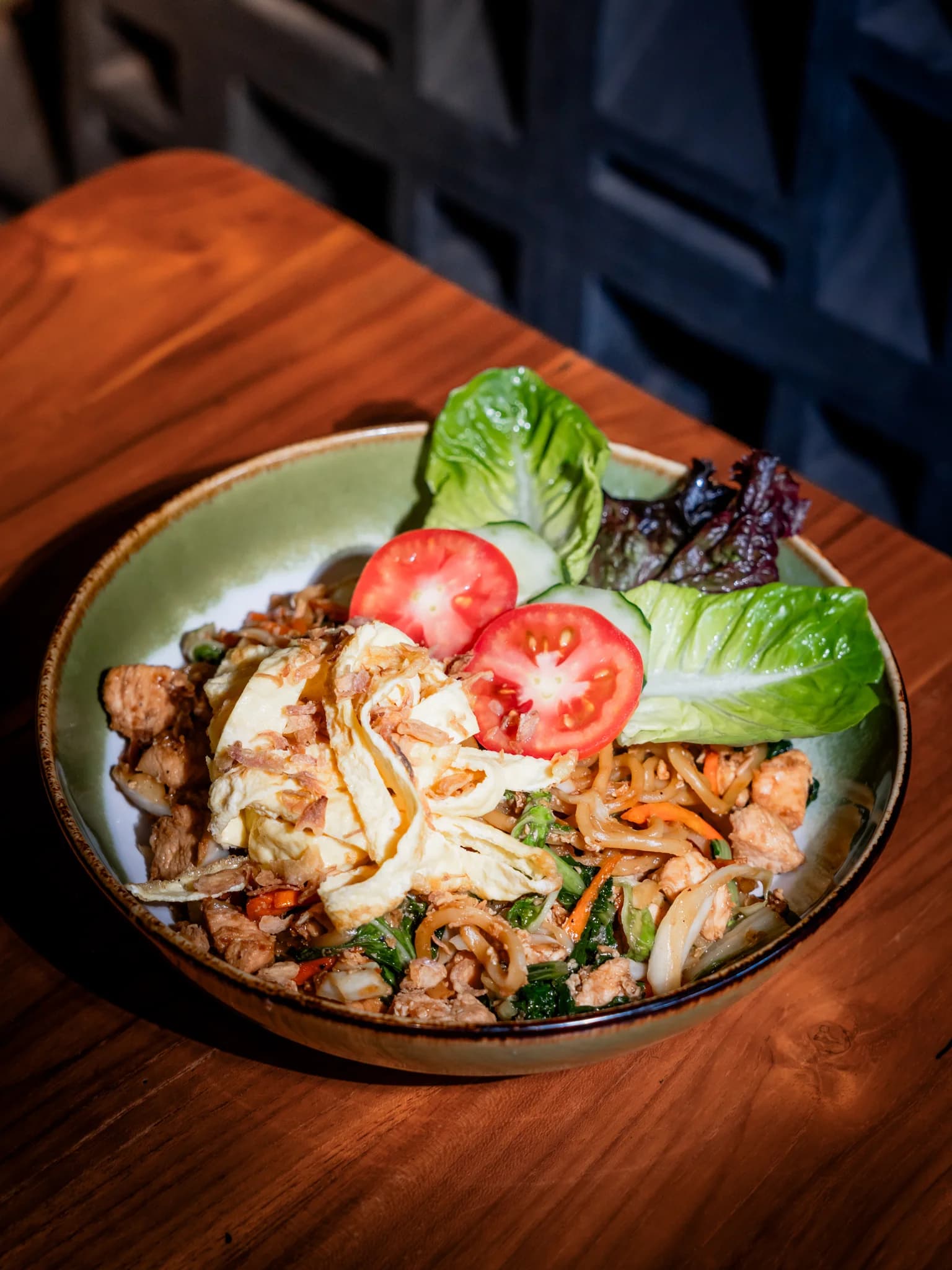 Balanced846 kcal · 81g P
Mie Goreng Chicken
Rp 100K
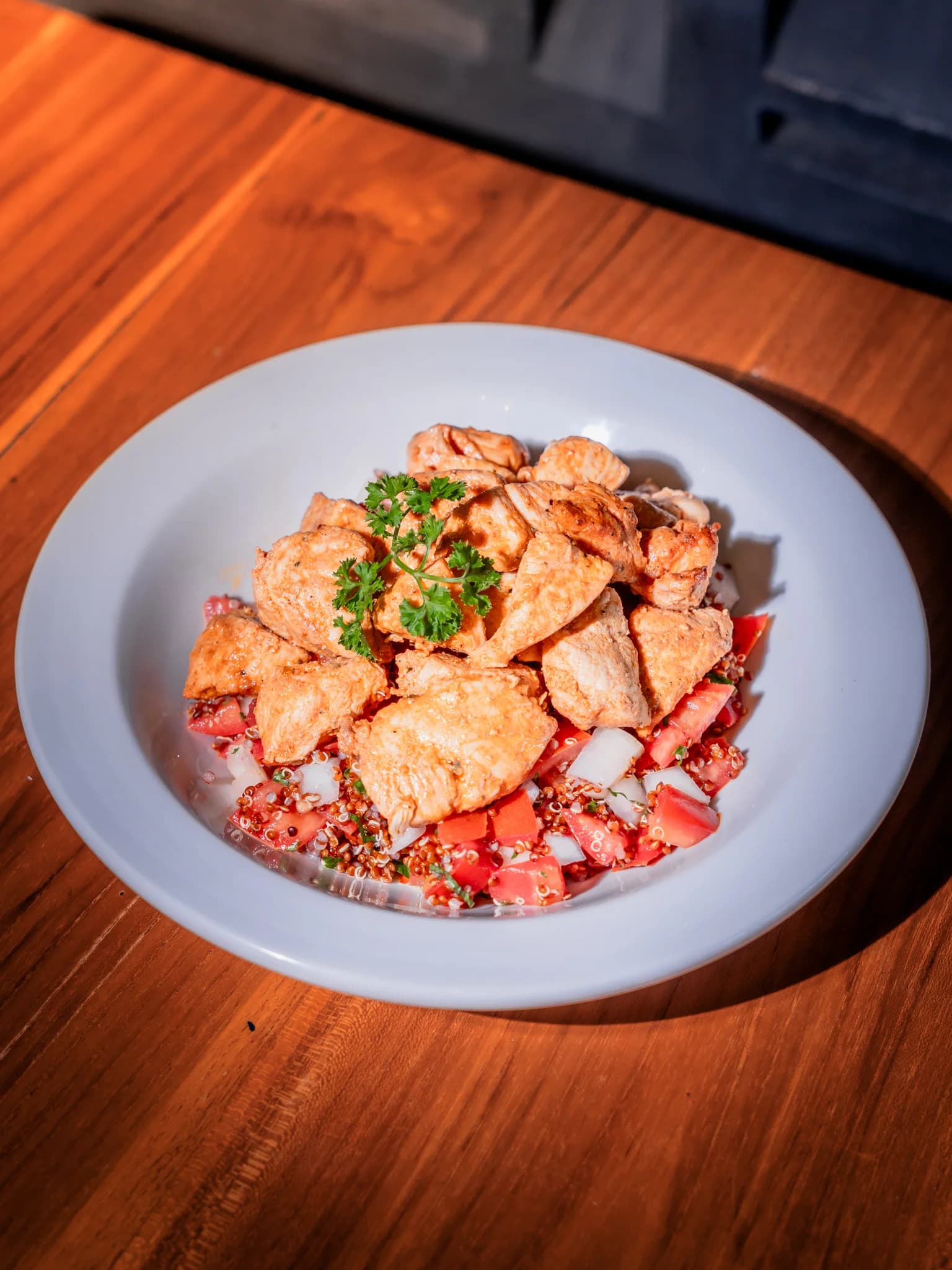
 High Protein684 kcal · 79g P
Chicken Tawook and Fattoush
Rp 100K
 High Protein701 kcal · 79g P
Chicken Spinach, Mushroom, Baked Sweet Potato
Rp 100K
 Balanced899 kcal · 77g P
Pad Thai Chicken
Rp 100K
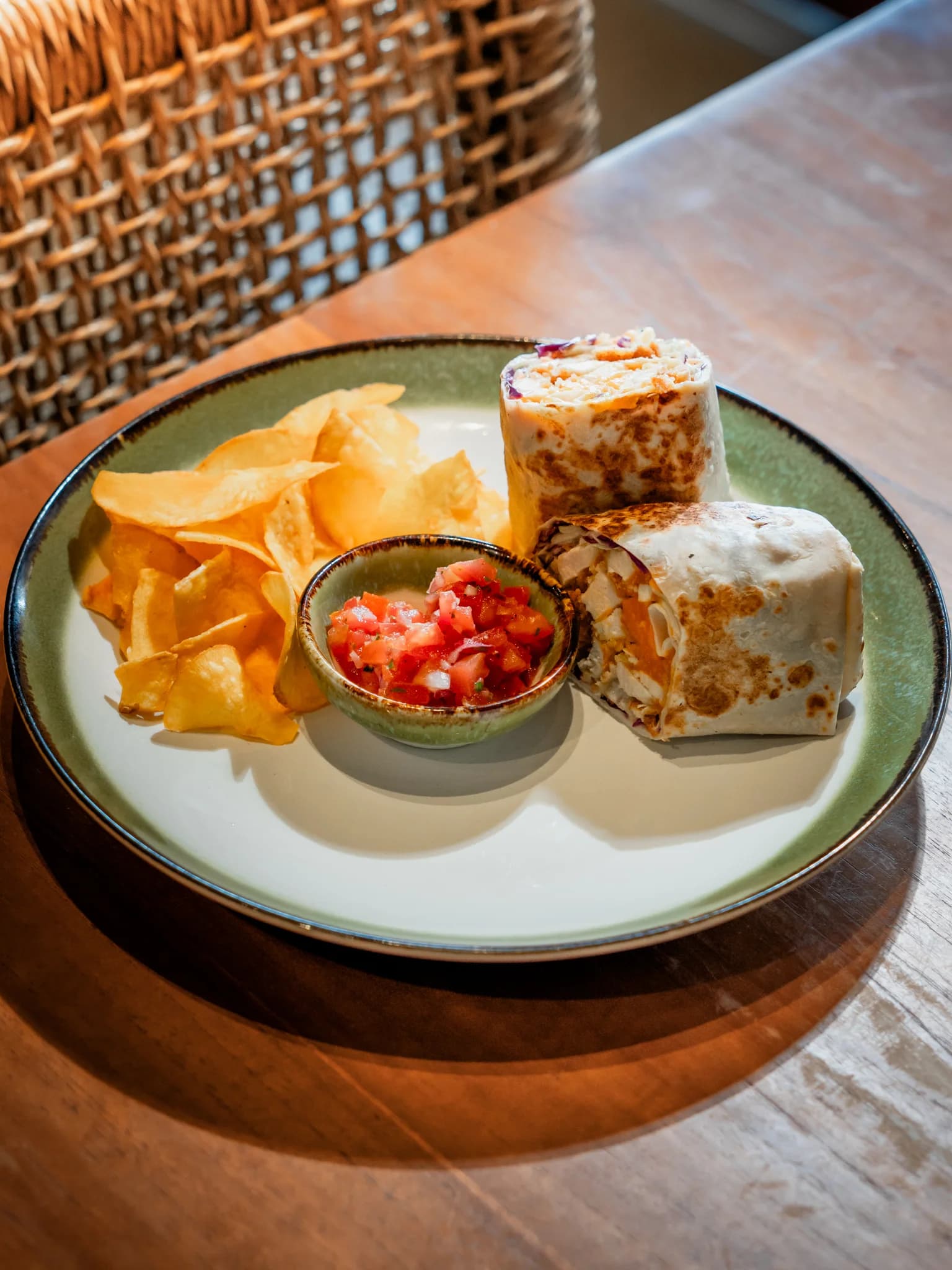 Balanced906 kcal · 76g P
Chicken Zinger Wrap
Rp 100K
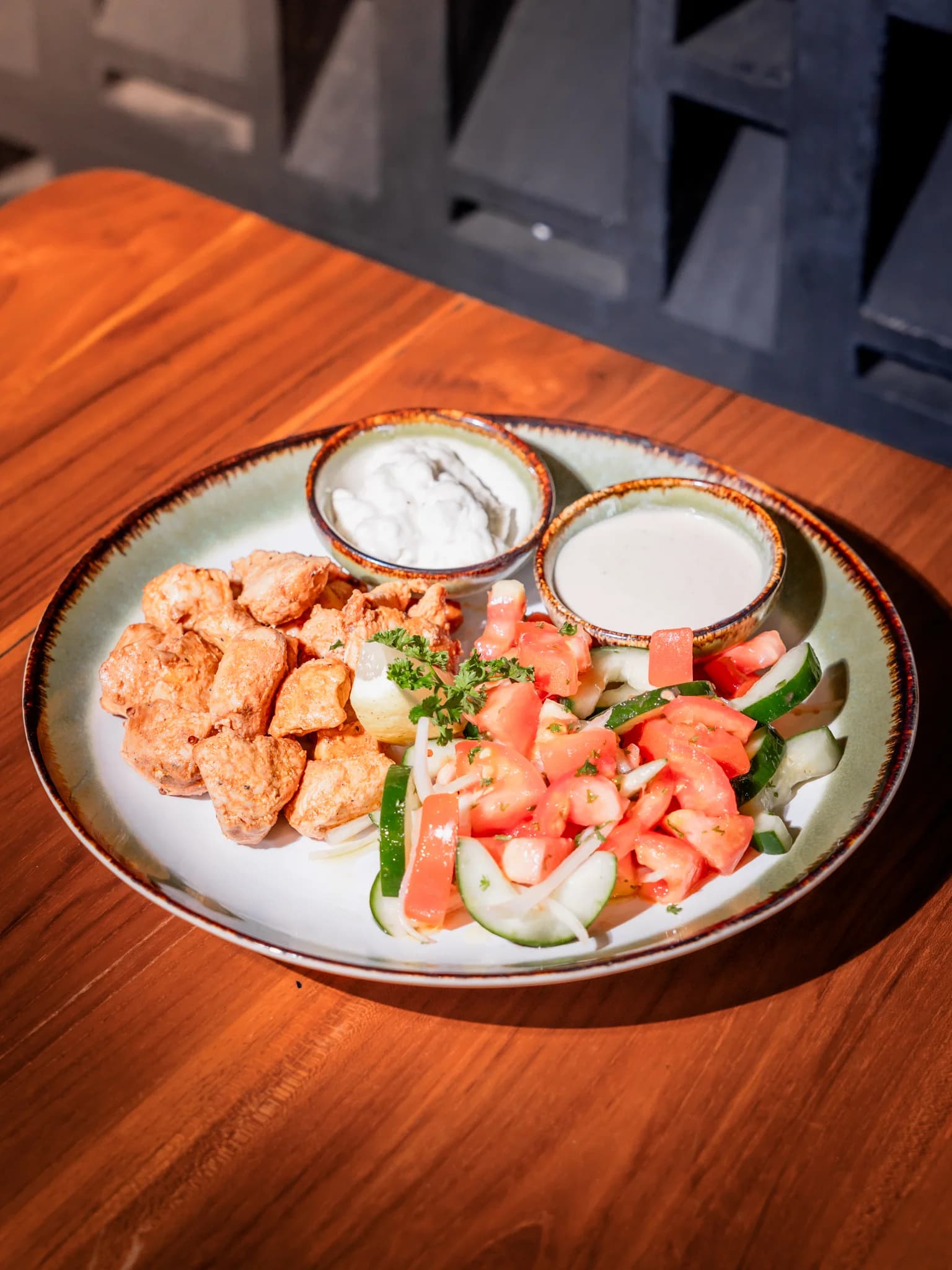 High Protein841 kcal · 74g P
Chicken Tawook and Baladi
Rp 100K
 High Protein640 kcal · 73g P
Mie Goreng Shirataki
Rp 100K
 Vegan1029 kcal · 72g P
Vegan Chicken Fajita
Rp 90K
If you have specific dietary or medical requirements, a custom plan can be built around them.
The short version
Safe water, clean hands, hot fresh food, and caution with raw food and ice will prevent a lot of trouble. If you do get ill, hydrate, rest, and see a doctor if it is severe or doesn't settle within a couple of days. And if you want fewer food decisions while you're here, The Solimans can take two or more meals a day off your plate.
Pick your meals for the week
15 meals a day across Balanced, High Protein and Vegan, every one with photos, price and macros. Delivered Monday to Saturday in Canggu & Pererenan.
Build your week, read our FAQ, or see how healthy food delivery in Bali works.
Questions
What is Bali belly?+
It is the common name for traveller's diarrhoea in Bali: an upset stomach, usually from food or water containing germs your body isn't used to. Most cases are mild and pass within a few days, but some need medical care.
Can you drink tap water in Bali?+
It is generally advised not to. Drink bottled water or water from a reliable filter or refill station, and many people also use it to brush their teeth.
Is ice safe in Bali?+
Many restaurants and cafés in tourist areas use ice made from filtered water, often the cylinder-shaped kind with a hole in the middle. If you are unsure about a place, or your stomach is sensitive, skip the ice.
When should I see a doctor for Bali belly?+
See a doctor promptly if you have blood in your stool, a high fever, severe stomach pain, signs of dehydration such as dizziness or very little urine, or if symptoms last more than a couple of days. Seek care sooner for children, older people and anyone pregnant or with a health condition.
Can a meal plan prevent Bali belly?+
No meal plan can guarantee that. Eating meals from one professional kitchen means fewer unknowns than trying a new place for every meal, but you should still follow general hygiene and food-storage habits.