

Fight camp nutrition, explained
How fighters cut weight (and what everyone else can learn)
By The Solimans team · Yousri Soliman’s kitchen in Bali · Updated
Fighters reach their weight class in two very different stages. First comes the fight camp: several weeks of slow, steady fat loss with a moderate calorie deficit, high protein and hard training. Then, in fight week, some fighters drop a further amount of water and food weight to step on the scale, and regain it after weigh-ins. The first stage is good nutrition that anyone can learn from. The second is a specialised, risky practice that should only ever happen under qualified supervision, and never as a way for anyone else to lose weight.
Our founder, Yousri Soliman, is an MMA fighter, so fight camps are part of how The Solimans thinks about food. This guide explains the process at a high level, where the real dangers are, and what regular people can take from it.
This article is general information, not a protocol. If you are preparing for a fight, work with your coach and a qualified sports nutritionist or doctor.
Fat loss vs making weight: what's the difference?
| Fat loss (fight camp) | Making weight (fight week) | |
|---|---|---|
| Timeframe | Weeks to months | The last few days before weigh-ins |
| What changes | Body fat | Water, glycogen and gut content |
| Is it lasting? | Yes, if habits hold | No, regained within a day or two |
| Main tools | Moderate deficit, high protein, training | Planned, temporary changes to food and fluid |
| Risk | Low, if the deficit is sensible | Rises sharply with dehydration |
Most of a fighter's weight should come off as fat during camp. The closer they arrive to their limit before fight week, the smaller and safer any final cut needs to be.
How do fighters lose fat during a camp?
A fight camp diet looks a lot like any well-built cut:
- A moderate deficit, typically around 300–500 kcal a day below maintenance, so training quality holds up.
- High protein, often around 1.6–2.2 g per kg of bodyweight, to protect muscle through hard sparring and conditioning.
- Carbs around training. Fighters train hard, sometimes twice a day, and carbohydrate fuels those sessions. Cutting carbs too low tends to hurt performance.
- Structure. Meals planned in advance, weighed or portioned, at regular times.
- Hydration. Especially in a hot climate like Bali, fighters drink steadily through camp.
High-protein meals that stay under about 600 kcal are the backbone of most camp days. Here are the High Protein dishes from our menu that fit, sorted by protein:
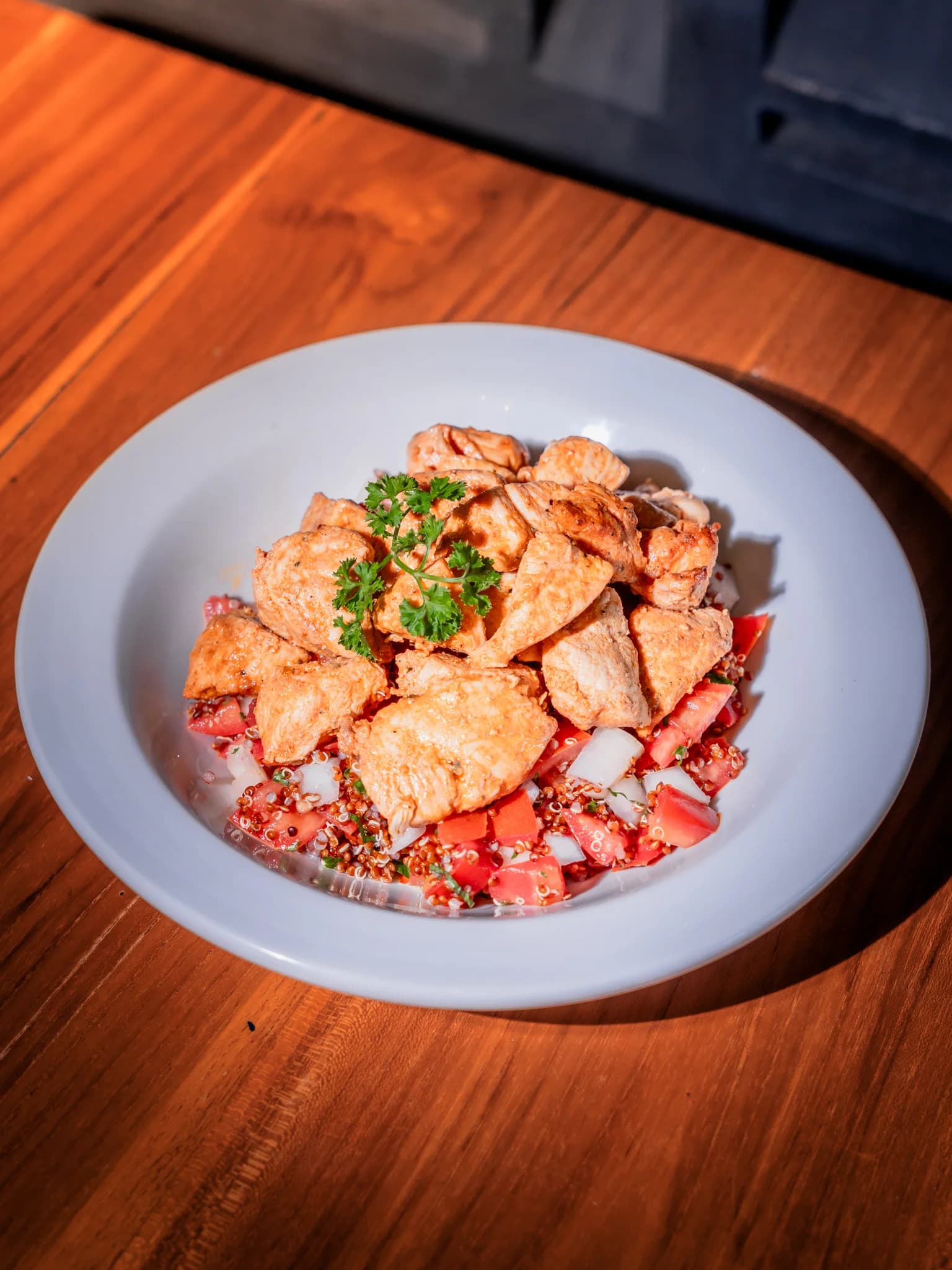 High Protein600 kcal · 72g P
Chicken Tawook and Tabbouleh
Rp 100K
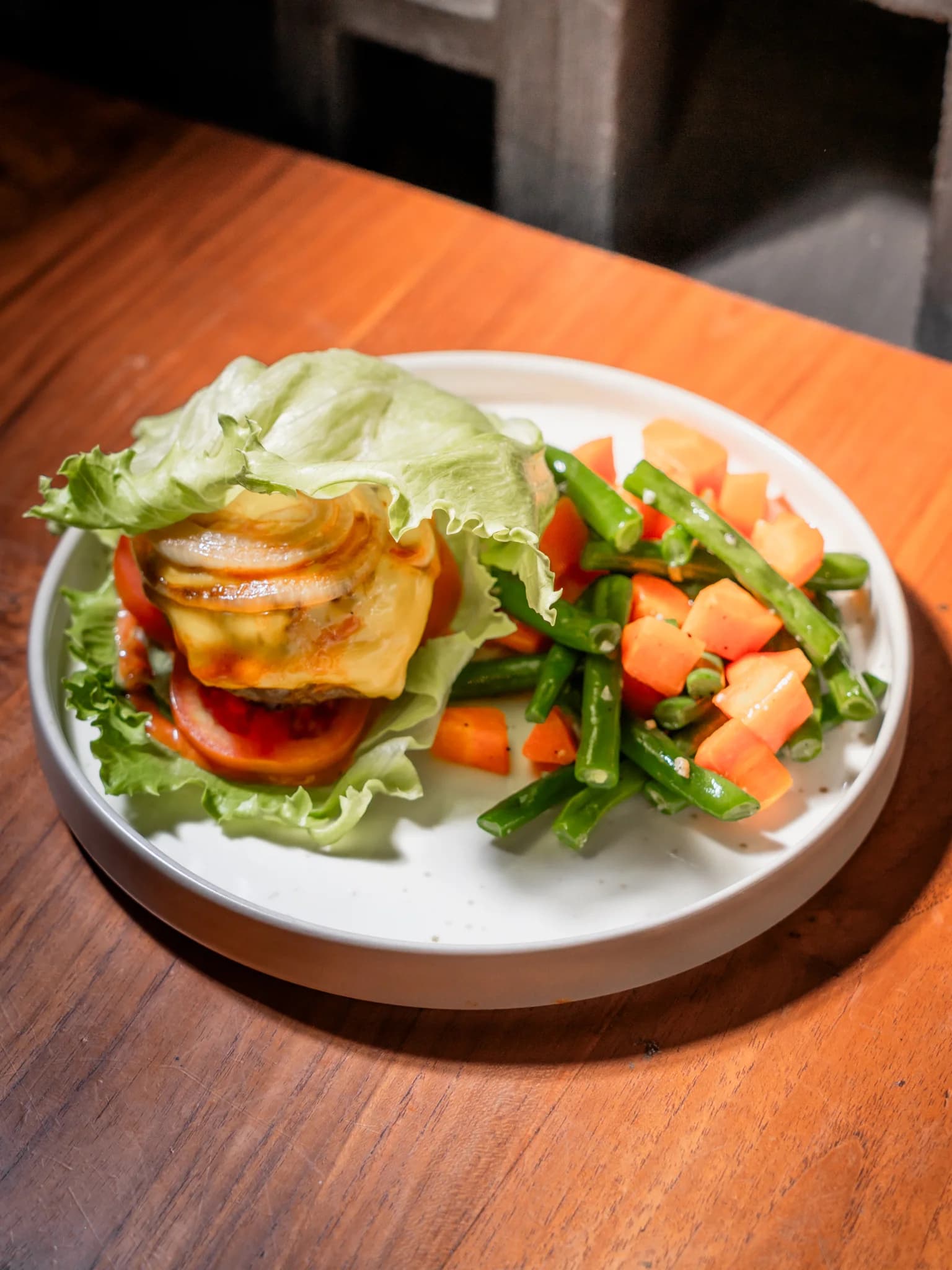 High Protein567 kcal · 65g P
Champion's Lettuce Chicken Burger
Rp 100K
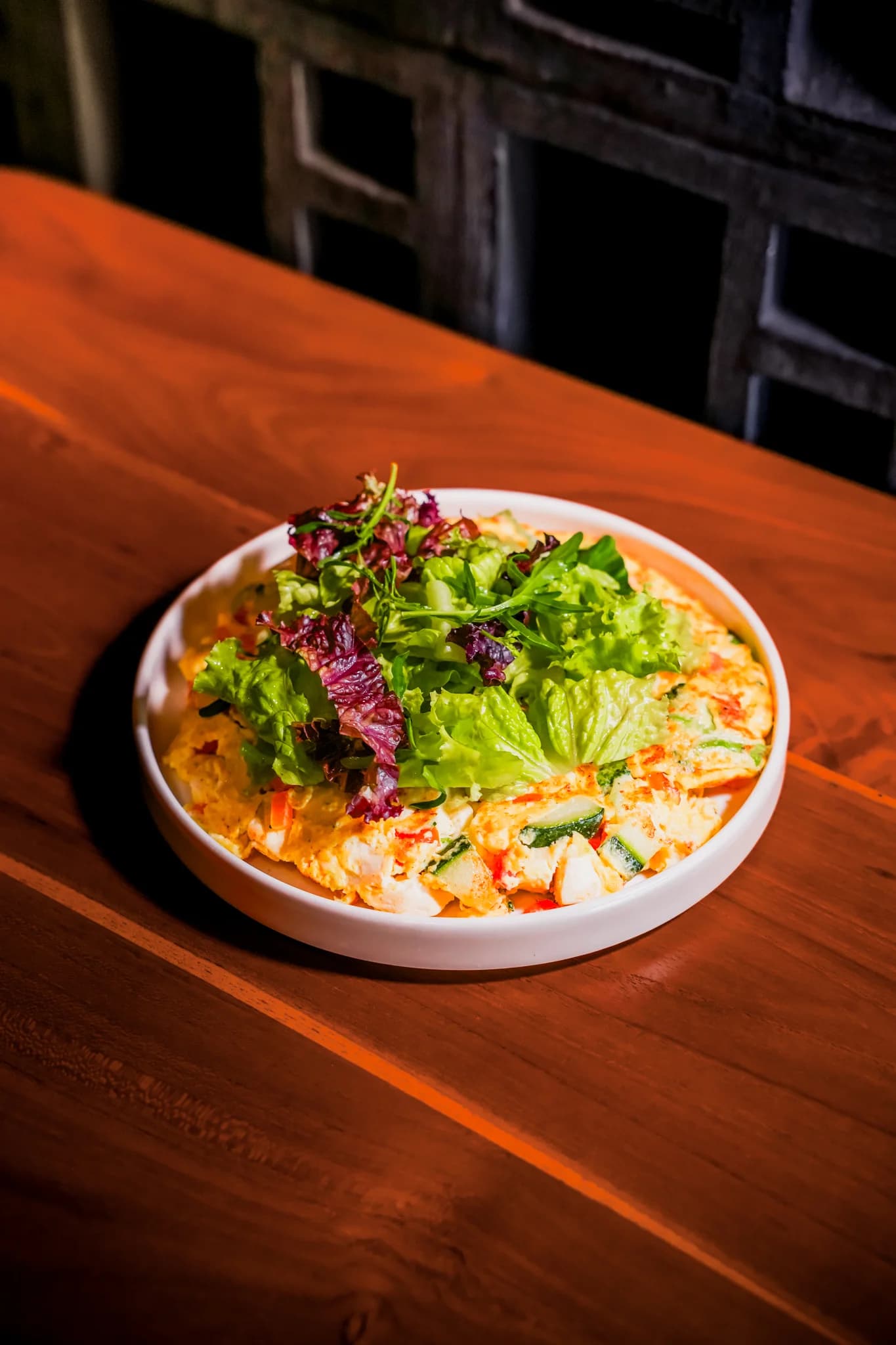 High Protein561 kcal · 64g P
Egg Chicken Frittata Omelette
Rp 100K
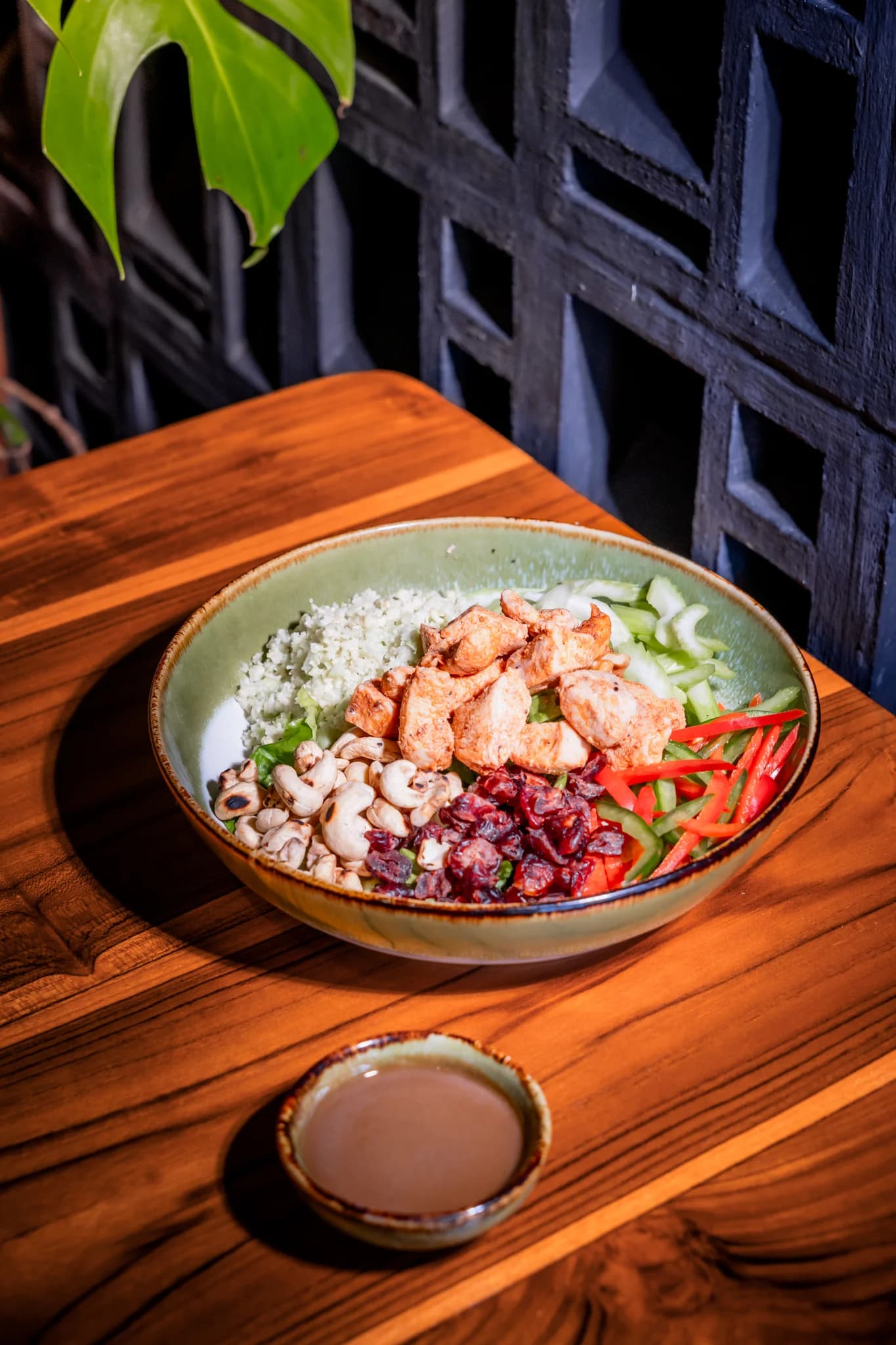 High Protein586 kcal · 59g P
Recovery Salad
Rp 100K
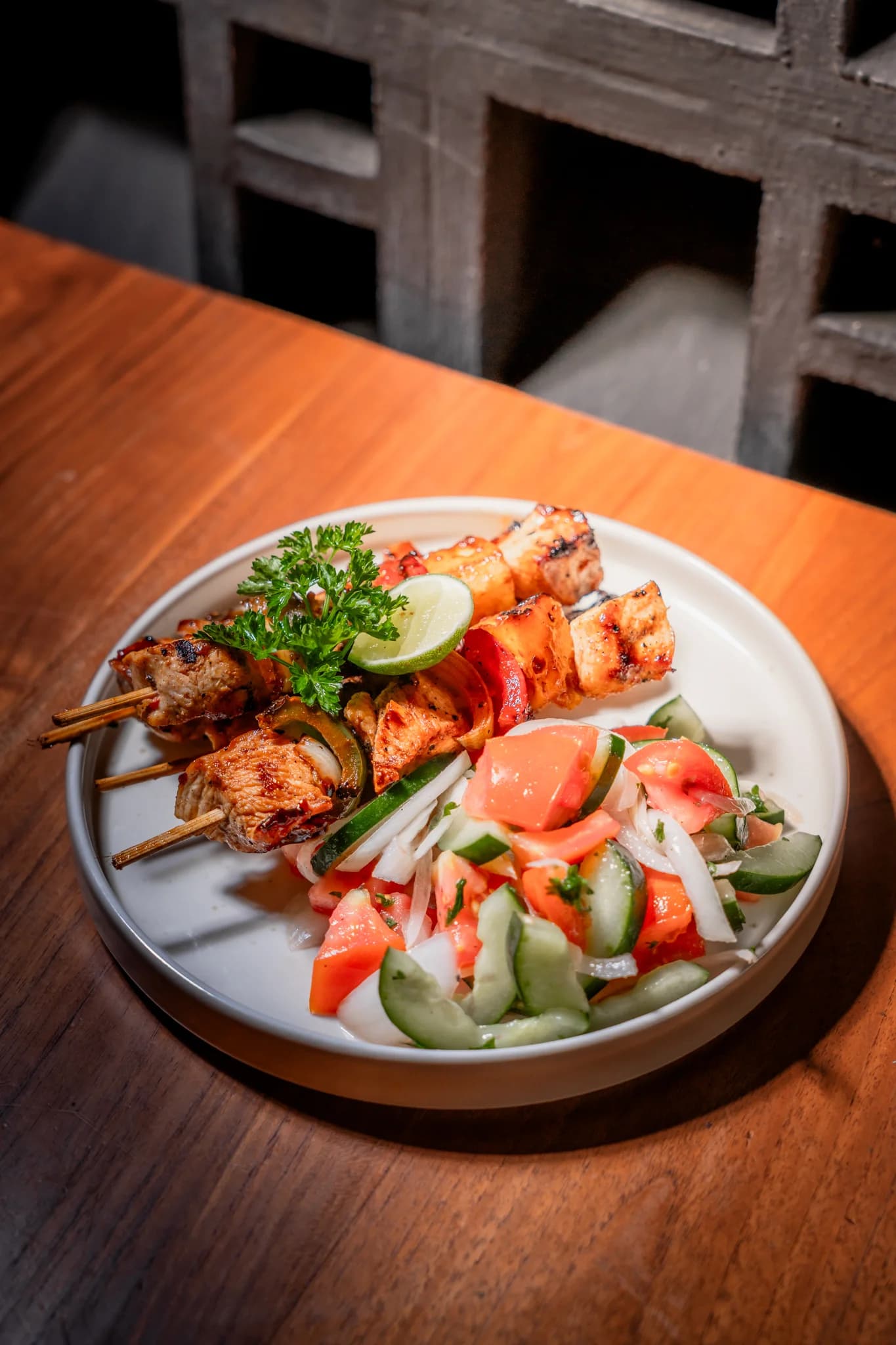 High Protein593 kcal · 59g P
Chicken Kebab w/ Baladi
Rp 100K
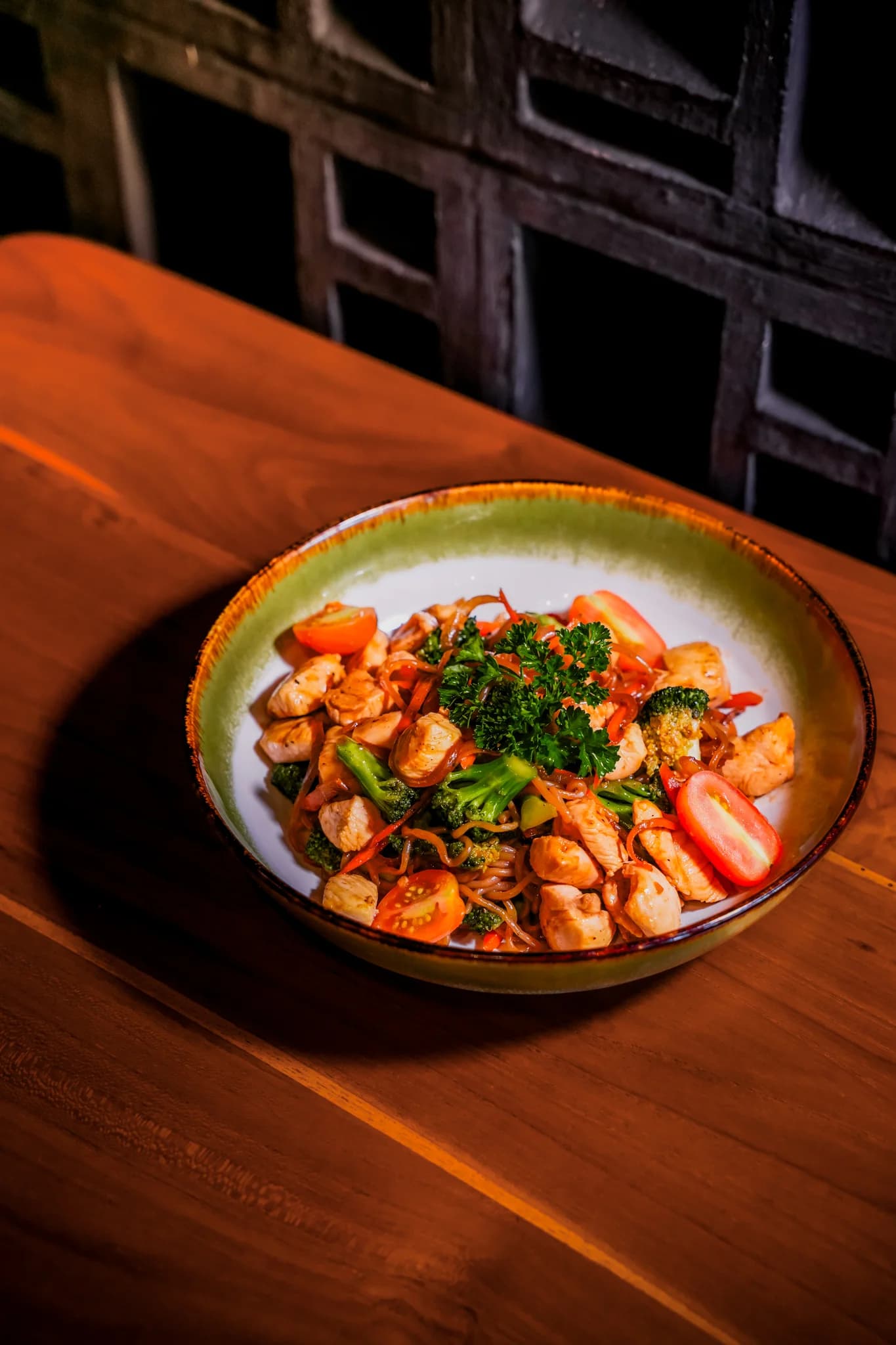 High Protein518 kcal · 57g P
Shirataki Chicken Stir Fry
Rp 100K
 High Protein446 kcal · 56g P
Fit Parmigiana and Napoletana Shirataki
Rp 100K
 High Protein559 kcal · 51g P
Egg Sunny & Beef
Rp 100K
| Dish | kcal | Protein | Carbs | Fat | Price |
|---|---|---|---|---|---|
| Chicken Tawook Tabbouleh | 600 | 72 g | 33 g | 20 g | Rp 100K |
| Champion's Lettuce Chicken Burger | 567 | 65 g | 16 g | 27 g | Rp 100K |
| Egg Chicken Frittata Omelette | 561 | 64 g | 11 g | 29 g | Rp 100K |
| Recovery Salad | 586 | 59 g | 29 g | 26 g | Rp 100K |
| Shirataki Chicken Stir Fry | 518 | 57 g | 32 g | 18 g | Rp 100K |
Our fight camp meal plan shows how these fit into full training days, and the Custom plan lets you set exact macros with your coach.
What happens in fight week?
At a high level, fight week is about reducing temporary weight without losing fat or muscle. Approaches used under professional supervision can include:
- Lower-fibre, lower-residue food for a few days, so there is less food weight in the gut.
- Reducing carbohydrate to lower stored glycogen, which holds water.
- Managing salt and fluid intake in a planned way over the final days.
The details vary a lot between athletes, sports and rules, and they need to be planned around the individual. That is why we are not giving a step-by-step protocol here.
Why extreme water cuts are dangerous
This is the part that matters most. Severe dehydration is not a diet technique; it is a medical risk.
- Heat illness and collapse, made more likely by saunas, sweat suits and hot climates like Bali's.
- Kidney stress and injury.
- Worse performance and possibly greater injury risk if a fighter competes before fully recovering.
- Serious harm and deaths have been linked to extreme weight cuts in combat sports.
Because of this, some promotions and federations have changed their rules, for example by checking hydration or moving weigh-ins. Many coaches now encourage fighters to compete closer to their natural walk-around weight. If a cut is being considered at all, it should be modest, planned well in advance, and supervised by qualified professionals, with a proper rehydration and refuelling plan afterwards.
If you are not a competing athlete with a medical team, do not try a water cut. Ever.
Pick your meals for the week
15 meals a day across Balanced, High Protein and Vegan, every one with photos, price and macros. Delivered Monday to Saturday in Canggu & Pererenan.
What can everyone else learn from fighters?
The useful lessons all come from the fight camp, not fight week.
1. The scale is not the whole story
A fighter can drop several kilos of water in days and put it all back on in a day. Your weight moves the same way on a smaller scale: a salty dinner, a big carb day or a long sweaty session can shift it by a kilo or so overnight, with no change in body fat. Judge progress on the trend over weeks.
2. Start early and go slowly
Fighters who start their camp close to their weight class have an easier, safer fight week. If you have a goal date, such as a holiday or an event, start weeks ahead with a moderate deficit instead of crash dieting at the end.
3. Protein protects performance
Fighters keep protein high so they can keep training hard while eating less. The same works for anyone trying to lose fat without feeling flat. Our guide to cutting in Bali has a full example day.
4. Fuel the work
Fighters eat carbs around training because their sessions demand it. If you train hard, don't strip carbs out completely; time them around your sessions. See what to eat around Muay Thai training for practical timing.
5. Remove decisions
Camp works because meals are planned. That is the whole idea of a meal plan: the food is already chosen, portioned and counted, so willpower is not tested three times a day.
Training in Bali?
Plenty of people come to Bali to train combat sports, and the heat makes good fuelling and hydration even more important. We deliver meal prep across Canggu, Pererenan and Munggu, Monday to Saturday, with breakfast around 9–10 AM and lunch and dinner around 11 AM–12 PM. Browse this week's menu, read more about The Solimans, or build your week with at least 2 meals a day for 5–7 days.
Questions
What is the difference between losing weight and making weight?+
Losing weight in a fight camp means losing body fat slowly over weeks. Making weight is a short-term drop in water, glycogen and food in the gut just before weigh-ins, which comes back within a day or two of eating and drinking normally.
Is a water cut dangerous?+
Yes. Severe dehydration can cause heat illness and kidney problems, impairs performance, and serious harm and deaths have been linked to extreme weight cuts in combat sports. Any fight-week cut should be planned and supervised by qualified professionals.
Should I do a water cut before a wedding, holiday or photoshoot?+
No. Dehydrating yourself to look lighter for a day carries real risk and changes nothing about your body fat. A steady calorie deficit with high protein over several weeks is the safer and lasting approach.
How much do fighters eat during a fight camp?+
It depends on the athlete, but camps usually combine a moderate calorie deficit with high protein and enough carbohydrate to fuel hard training. Many fighters work with a nutritionist to set exact numbers.
Do fighters cut weight in hot climates like Bali?+
Many fighters train in Bali, but heat and humidity raise the risk of dehydration. That is one more reason to keep any fight-week cut small, supervised and planned well in advance.
Can The Solimans make meals for a fight camp?+
Yes. Our founder Yousri Soliman is an MMA fighter, and we build custom plans around your target macros. The final days before a weigh-in should be guided by your coach and a qualified nutritionist.